

The Dfference Between Back Pain and Sciatica
December Newsletter
Have you been told your persistent lower back pain is really sciatica? Did you know specific signs and symptoms can clarify what condition you’re dealing with? Far too often, these terms are used interchangeably or, worse yet, inaccurately. Fortunately, at Maccio Physical Therapy, our skilled physical therapists can clear it up for you and set you on the right path to relief!
Back pain and sciatica can be confusing and even intimidating, especially when you’re not sure what’s causing your discomfort. Whether from a car accident, lifting something heavy, or seemingly out of nowhere, both back pain and sciatica seem to have similar causes and even share some symptoms.
That’s where physical therapy comes in. Physical therapy is highly effective for both conditions. It helps reduce pain, improves mobility, and, most importantly, tackles the underlying issues to prevent future discomfort. With a tailored treatment plan, you can get back to doing what you love, pain-free.
Understanding the Difference Between Back Pain and Sciatica
Back pain and sciatica are sometimes used interchangeably, but they’re not the same. Lower back pain is generally localized, affecting the lumbar region of the spine. It can arise from muscle strains, herniated discs, or prolonged poor posture.
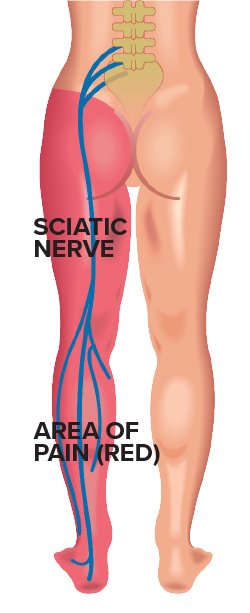
Sciatica, on the other hand, is more specific and involves pain that travels along the sciatic nerve. This nerve starts in the lower back and runs through the hips and buttocks down to each leg. The pain you feel could be shooting, burning, or even tingling, and it usually affects just one side of your body. To be a “true” sciatica,” nerve symptoms must be felt in the leg (specifically below the knee).
Common Causes of Back Pain and Sciatica
• Lower Back Pain: In most cases, lower back pain is caused by factors such as muscle strain, herniated discs, degenerative disc disease, arthritis, and other conditions.
• Sciatica: Most commonly caused by a herniated disc, bone spur where the nerve exits the spine, or narrowing of the spine (spinal stenosis) compressing part of the nerve.
Classic Symptoms of Back Pain and Sciatica
• Lower Back Pain: May include stiffness, muscle spasms, and difficulty in moving.
• Sciatica: Must consist of symptoms along the nerve root in the leg and typically include numbness, tingling, or muscle weakness in the affected leg or foot, in addition to pain.
It’s crucial to know the difference between the two because the treatment approaches differ. For example, sciatica might require attention to nerve compression issues, while lower back pain could be more muscle-related.
So, if you’re tired of enduring persistent pain, take action and call to schedule an appointment with our spine experts. Let us help you understand your condition and guide you toward effective relief.
Our Approach to Assessment and Treatment at Maccio Physical Therapy
If you are experiencing back pain or sciatica, it’s time to take action. Working with our experienced therapists can help you understand what you are dealing with and, most importantly, how to resolve it once and for all!
Whether you come to our clinic with lower back pain or sciatica, we will perform a thorough physical examination and medical history to provide you with solutions that work based on the findings.
• McKenzie Method: All of our therapists are trained in the McKenzie Method, which emphasizes self-care and getting patients actively involved in their physical therapy. This method not only helps relieve your pain but also teaches you how to manage it on your own.
• Education: Understanding what you are experiencing and how to manage it can help you be proactive and find a solution. Understanding what is going on and, more importantly, what you can do about it is one of the most effective solutions. Our physical therapists will make sure you have the information you need to be successful.
• Manual therapy: Manual therapies include a variety of methods, including joint mobilizations and manipulations that move one or more joints within normal ranges of motion to improve spinal joint motion or function.
Our physical therapists may also use soft tissue techniques like myofascial release, trigger point releases, and other methods to help alleviate pain and allow for more mobility and improved function.
• Targeted Exercises: Our exercise programs include mobility exercises, proper postural exercises, nerve mobilization, or strength exercises. Our physical therapists will tailor your workouts, monitor you, and progress based on your individual needs.

Contact Maccio Physical Therapy Today!
Your well-being is our top priority. At Maccio Physical Therapy, we offer a proven approach to back pain and sciatica. Don’t let pain hold you back any longer. Call today and take the first step toward a pain-free life.
Patient Success SPOTLIGHT
“I had a hard time during my sleep, [I] always had the tingling feeling in the back. After having the therapy, I started to get better. [The] most interesting thing for me, [is] I get to learn how different exercises lead to [the] release [of] different pain in different location[s] in the back. No trouble sleeping and moving the neck around. No extra discomfort and laziness due to the pain.” —S.K.
“When I started physical therapy my back pain was so severe that I couldn’t sit or stand comfortably, let alone do some of my favorite activities like long walks with friends or going to the gym. Thanks to physical therapy, I’m now able to resume doing the activities I love. After only a little over a month, I’m back to sitting on a couch comfortably, running, and even, skiing! I’m grateful for all of the help I’ve been given!” —C.B.

Greta, Wills, & Fritz’s Corner

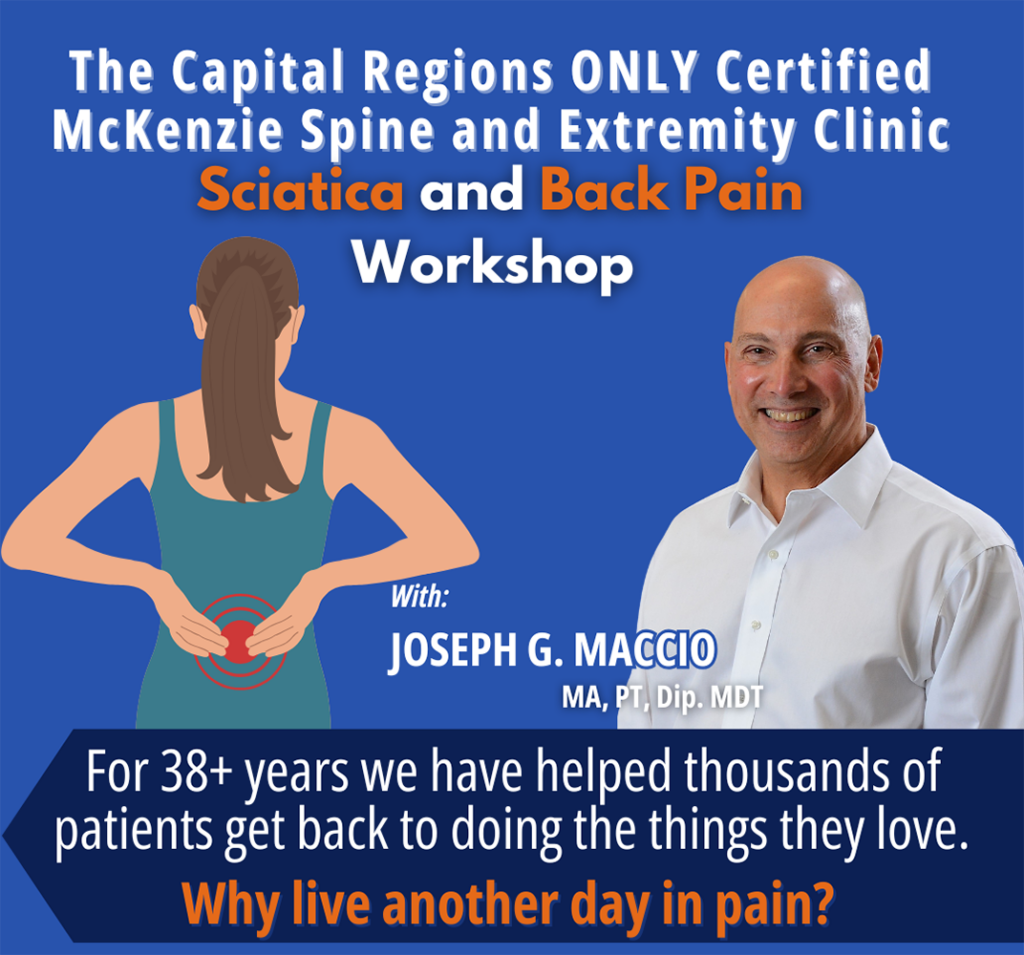
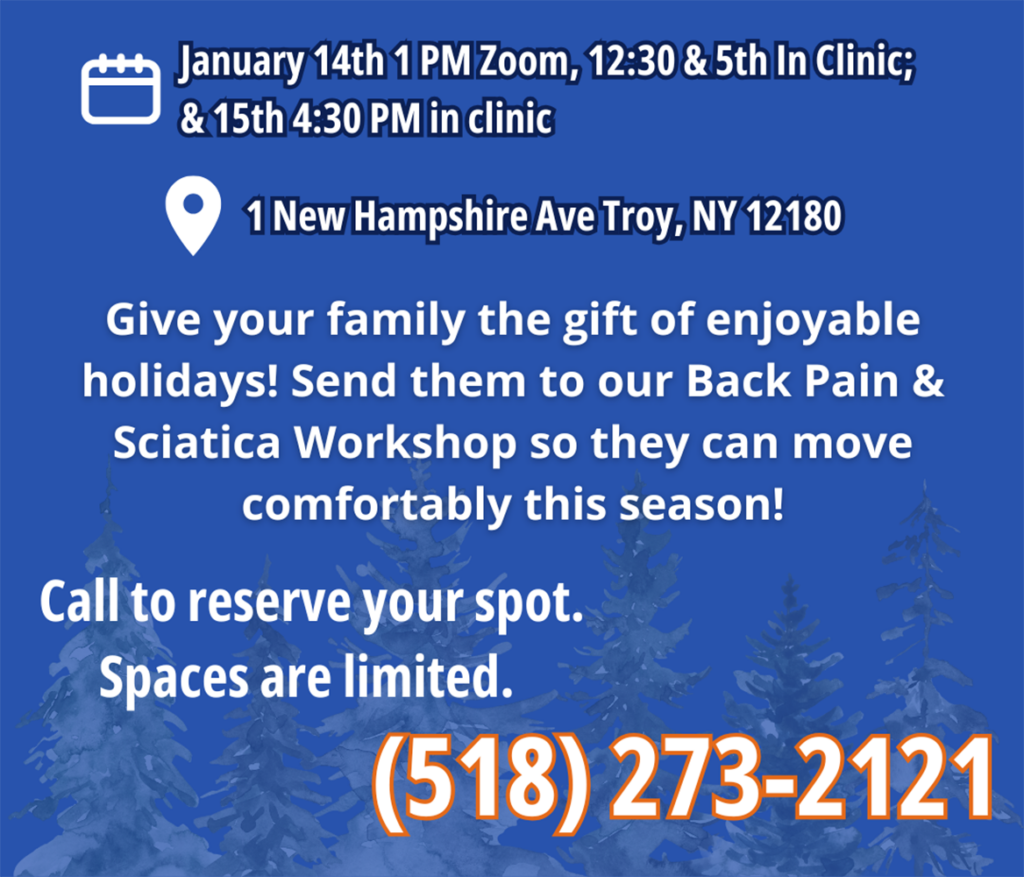
Free Workshops

It’s Your Choice
Patient Choice — You have a choice to pick whatever physical therapy provider you wish. It is imperative to do your research in this area to be able to make this important choice.
Direct Access — Most insurance companies will allow you to see a physical therapist first before seeing your doctor.
Why Choose PT First?
“Positive MRI result should not be an indication for surgery unless the history and physical examination were found to be consistent with the MRI result.” (Robert F. LaPrade, MD — Steadman Research Institute)
“There is poor correlation between a patient’s clinical presentation and the reported MRI findings.” (Richard Herzog, MD, FACR — Hospital for Special Surgery)
It is extremely rare that we refer out for X-rays or MRIs with direct access patients, as the MDT mechanical examination is safe, effective, and rules out any serious concerns.
DID YOU SPOT OUR MISSPELLED WORD?
Don’t forget to call in with the misspelled word in each newsletter and refer a friend or family member to be entered to win a gift card!
Congratulations to our winners this month!
Referral: Christine B. and Lauren C.
Misspelled Word: Susan S.
Let’s Get You Better ASAP!
Don’t let pain dictate your life. Take the first step towards reclaiming your mobility and well-being with our expert support. Start your journey to a healthier you today.