Make A Strong Rotator Cuff Recovery with Physical Therapy
Don’t Skip Your Physical Therapy Appointments After A Rotator Cuff Injury – Here’s Why!
It is estimated that as many as 2 million adults are diagnosed with rotator cuff injuries every year in the United States. Up to 80% of those patients initially choose non-surgical treatments, like physical therapy, to repair and recover from the injury rather than undergoing a surgical procedure. Research suggests that approximately 90% of patients have positive outcomes and improved function with physical therapy, especially when the rotator cuff injury is identified and treated early.
The decision for surgical repair is typically based on factors such as the severity of the injury, the patient’s age and activity level, and their response to non-surgical treatments. Fortunately, physical therapy can help you prepare for surgery, promote healing, and improve your recovery, whether you have surgery or not.
Whether you need surgery or not, recover stronger than ever with physical therapy for rotator cuff injuries.
What is a Rotator Cuff Injury?
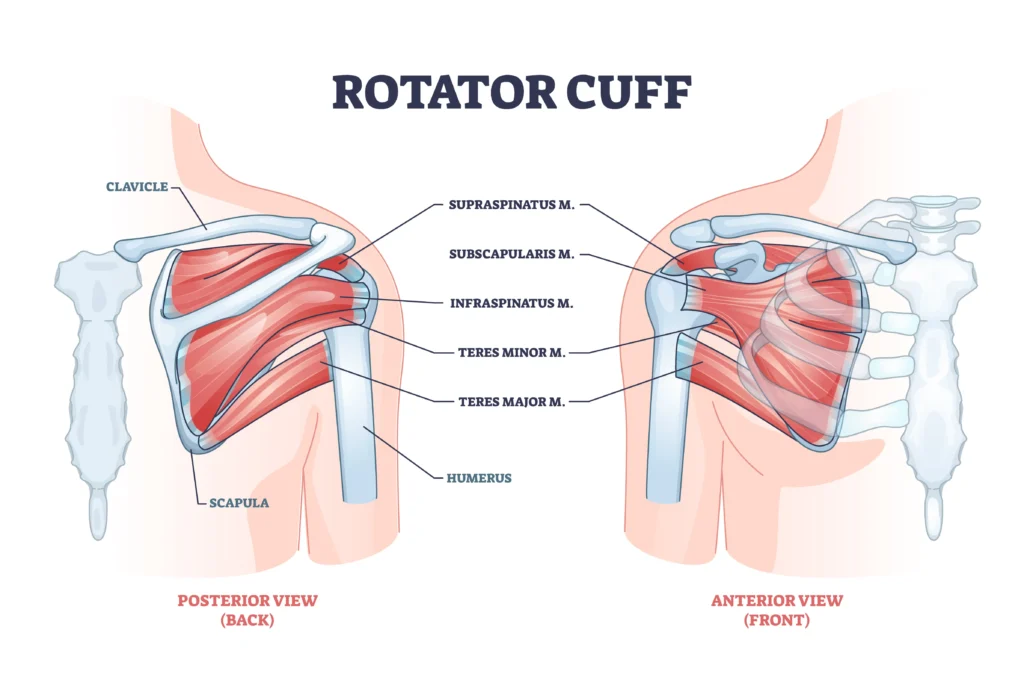
The rotator cuff is a group of muscles and tendons surrounding the shoulder joint that plays a significant role in the movement and stability of the joint. The muscles work together to stabilize the shoulder joint and facilitate various movements, such as lifting and rotating the arm.
Rotator cuff injuries can occur due to a variety of causes.
- Repetitive overhead motions
- Sudden trauma or injury
- Degeneration due to aging
New Quarterly Free Workshop Schedule
The Capital Region’s Only Certified McKenzie Spine and Extremity Clinic
For 38+ years, we have helped thousands of patients get back to doing the things they love.
Back to Life: Proven Solutions for Back Pain Relief
August 11th at 12:30 pm in the clinic
1 New Hampshire Ave. Troy, NY
Hosted by: Joseph G. Maccio – MA, PT, Dip. MDT
Why live another day in pain?
Call (518) 940-4389 to reserve your spot. Spaces are limited.
Physical Therapy Before and After Rotator Cuff Repair Surgery
Considering rotator cuff surgery? Physical therapy can be your secret weapon for a smoother journey before and after the procedure.
Pre-Surgery Advantage:
- Go into surgery stronger: Build muscle strength and control around your shoulder for better support during healing.
- Reduce pain and restore motion: Physical therapists can use manual therapy techniques to minimize discomfort and improve range of motion.
- Recover faster: Stronger muscles translate to a quicker recovery and regaining full shoulder function.
- Prepare mentally: Understand what to expect post-surgery and gain strategies to optimize your recovery, boosting your confidence.
Post-Surgery Benefits:
- Manage pain effectively: Our therapists use a variety of manual techniques and modalities to keep pain at bay.
- Regain lost motion: Our team will help stretch and loosen any restrictions to restore your shoulder’s range of motion.
- Rebuild strength: Regain the strength you lost in your rotator cuff and supporting muscles.
- Return to your life: Physical therapy’s ultimate goal is to help you use your shoulder fully again, allowing you to perform daily activities without limitations.
- Prevent future injuries: Learn exercises to maintain strength and flexibility in your shoulder, reducing the risk of re-injury.
By incorporating physical therapy at Maccio Physical Therapy before and after surgery, you’re setting yourself up for a successful rotator cuff surgery experience!
Expectations from Physical Therapy for Rotator Cuff Rehabilitation
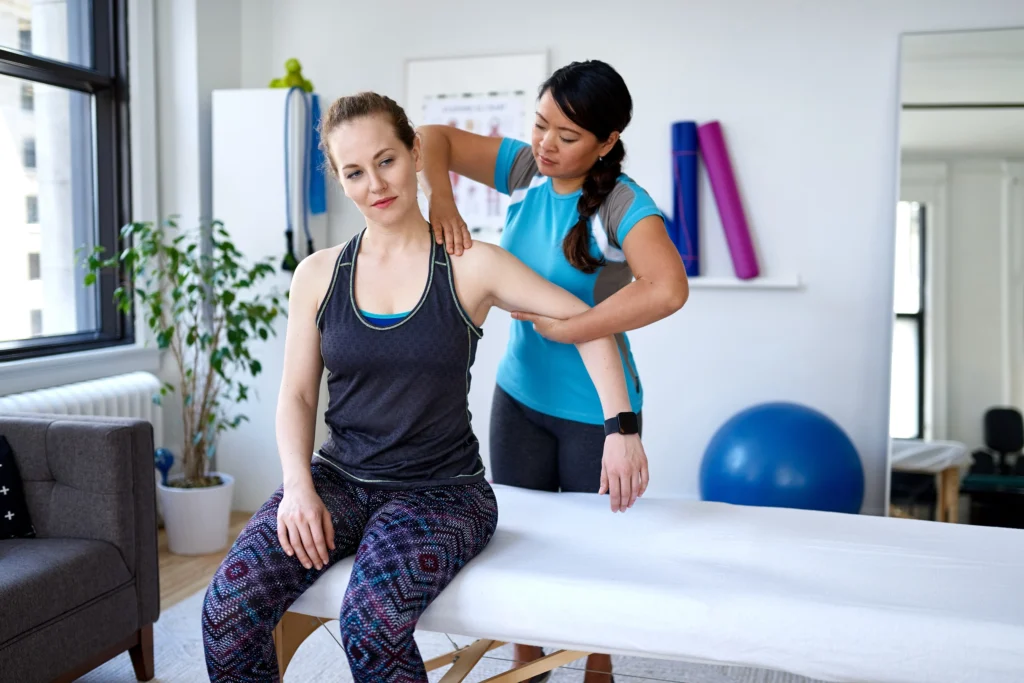
Whether you opt for surgery or not, physical therapy is often the primary approach for rotator cuff injury rehabilitation. Physical therapy sessions may include a combination of techniques to alleviate symptoms and promote healing.
- Manual therapy to reduce pain and help improve blood flow
- Stretching to improve/restore shoulder range of motion
- Strengthening exercises to build the muscles in and around the shoulder joint and shoulder blades
- Functional movements to restore normal use of the shoulder
Our Patients Get Great Results!
“I came in with a shoulder issue that made general movements very painful. Joe gave me a progressive exercise plan and tips for improving posture. I feel that my movement is much improved, and my pain level has reduced. I also have low back pain issues, and I saw improvement with mobility and reduced pain. I am very pleased with my progress.” – Janice
“When I first came in to work on a shoulder pain that was bothering me for several months, I could not put a seatbelt over my shoulder, and I was limited in all activities from pain in the movement of my arm. After several visits with Lindsay and doing exercises for the shoulder, I can work and do my daily activities with no further shoulder pain. Thank you, Lindsay, you have been wonderful.” – Gregory
Personalized Treatment with Maccio Physical Therapy
We begin every program with a detailed assessment of your health history and existing condition. Next, we conduct a comprehensive physical examination, including range of motion and strength testing. We’ll discuss your questions and concerns and set achievable goals for your recovery. You can expect a comprehensive therapy that includes:
- Emphasizing the importance of consistency with exercises to perform at home between sessions to maintain progress.
- Providing guidance on proper mechanics, posture, and techniques for activities involving the shoulder to prevent future injuries or re-injury of the rotator cuff.
- Preparing for a gradual reintroduction of activities and sports after recovery.
- Highlighting the significance of long-term maintenance through periodic check-ins, continued home exercises, and continuing a healthy lifestyle to maintain the strength and function of the rotator cuff.
A strong rotator cuff recovery with physical therapy involves a comprehensive approach that addresses pre and post-surgery needs or non-surgical treatment. With the guidance of our skilled physical therapists and your commitment to the rehabilitation process, you can regain shoulder function, mobility, and quality of life.
Early preparation and treatment are the keys to success, so give us a call today to schedule a consultation.
Sources: https://orthoinfo.aaos.org/en/diseases–conditions/rotator-cuff-tears/, https://www.ncbi.nlm.nih.gov/pmc/articles/PMC4827371/
Greta, Wills, Fritz, & Roberta’s Corner

Understanding Rotator Cuff Injuries: Signs and Symptoms
Rotator cuff injuries can vary in severity. In addition to pain, they often share these five signs and symptoms:
- Disturbed Sleep: Rotator cuff pain often worsens at night, interfering with sleep. Sleeping on the affected side can be particularly uncomfortable.
- Weakness: Individuals with a rotator cuff injury may experience weakness in the affected shoulder, making it challenging to perform tasks that require lifting, reaching, or holding objects.
- Limited Range of Motion: Reduced mobility in the shoulder is a common symptom. You may struggle to raise your arm, reach behind your back, or perform overhead activities.
- Difficulty with Daily Activities: Rotator cuff injuries can impact daily tasks such as combing hair, dressing, and reaching for items on high shelves. It can also affect sports and recreational activities.
- Gradual Onset: Some rotator cuff injuries develop gradually over time due to overuse, while others may result from a sudden injury or trauma, such as a fall or lifting heavy objects.