


How To Relieve Dizziness and Vertigo
January Newsletter
Lisa (not her real name) was tired of dealing with dizziness. Specifically, she was tired of dealing with vertigo, a spinning sensation that would suddenly hit her at seemingly random times throughout the day. The attacks made her wary of driving, and she worried she might fall and injure herself at home.
But then Lisa learned something interesting: physical therapy can help with vertigo and dizziness. She had some experience with PT, having gone through rehabilitation after a shoulder injury, but it never occurred to her that PT might be the solution to her issues with vertigo.
Eager for relief, Lisa made an appointment at Maccio Physical Therapy. We conducted a comprehensive assessment and found that she had BPPV (benign paroxysmal positional vertigo). It develops due to the buildup of tiny crystals in the inner ear, which interfere with the body’s vestibular system.
We helped Lisa understand that her vertigo attacks weren’t as random as she thought. Instead, they occurred due to specific head movements that jostled the crystals. We helped identify those movements and performed some hands-on maneuvers that dislodged the crystals so they could no longer cause symptoms.
Because vertigo (and sometimes even dizziness) has a vaguely hallucinatory quality, people are often surprised to discover that its origins are typically physical. Fortunately, because they’re physical, PT is an excellent choice for finding relief.

Why Do We Feel Dizziness and Vertigo, Anyway?
First, it’s important to understand that dizziness and vertigo are technically two different things.
Dizziness is an umbrella term that can refer to any feelings of lightheadedness or wooziness. Most of us have experienced dizziness: maybe you stood up too quickly or felt a headrush when you got off a roller coaster. It can have other causes, too, such as medication side effects or low blood sugar.
Vertigo is a type of dizziness. It refers to a particular sensation: that you or the room is spinning around even when you’re standing still. It typically stems from issues with your vestibular system, which controls your body’s sense of balance.
The vestibular system is primarily located in your inner ear, although parts are also in your cerebellum. Most people who experience vertigo have inner ear issues, whether BPPV (the most common cause of vertigo) or another underlying condition, such as Meniere’s disease.
In some cases, vertigo might stem from issues in your cerebellum, although those are rare.
The Key Factor: A Personalized Approach
Physical therapy offers different options to help people manage their dizziness and vertigo. We always begin treatment with a comprehensive assessment to help us understand the root cause of your symptoms.
As with Lisa, we’ll also try pinpointing any triggers for dizziness or vertigo. By identifying these triggers, you can work to avoid them. For example, we can show you how to modify activities to reduce the likelihood of vertigo attacks. We’ll also perform specific movements and positions to restore inner ear function, just as we did with Lisa.
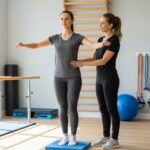
Another way we help people with dizziness and vertigo is through dedicated balance training. Vertigo can be unnerving, but it’s not usually dangerous in and of itself. Instead, the danger comes from an increased fall risk. Balance training helps improve your overall balance and stability through progressive balance challenges and strengthening exercises, especially in the core.
A Specialized Approach: Vestibular Rehabilitation
If your vertigo stems from an impairment in your vestibular system, we may suggest you begin a vestibular rehabilitation program. Vestibular rehab is a specialized type of physical therapy that focuses specifically on inner ear dysfunction. While your exact program will be personalized, it generally includes the following:
• Relaxation techniques to help you navigate a vertigo attack
• Habituation exercises that help you become accustomed to the vertigo sensations so that they lessen over time
• Vision exercises to improve your gaze stability, which often plays a role in vertigo symptoms.
• We’ll combine these specialized techniques with balance and conditioning exercises to ensure well-rounded treatment!

Can The World Stop Spinning?
Literally, no — but when you successfully manage dizziness and vertigo, it can certainly feel like it! Call Maccio Physical Therapy today to find out if you might benefit from physical therapy.
Patient Success SPOTLIGHT
“I came to Maccio because I was experiencing multiple problems. Vertigo has returned and Matt Myers worked with me on therapy and a series of routines to help with ear-eye coordination and balance. Also, neck and shoulder pain were a problem that occurred off and on. Matt developed a series of exercises that have successfully diminished these problems. I like Matt’s patience and ability to analyze physical problems and to devise workable routines. Physical therapy is a part of my daily life at home. Grateful for all his help.” —SR.
“I called emergently; I was in desperate need of PT for BPPV. Not only did Maccio PT accept me as a new patient, but they also helped me the same day I called. My symptoms were dizziness, nausea, and balance issues. Today after my 4th appointment and balance test I am happy to report that Joe Maccio was able to completely relieve all my symptoms. He educated me and provided me with a home exercise plan. His kindness and assistance were beyond any care I have ever received. Thank you, Joe and the team. You are simply the best.” —MB
Greta, Wills, & Fritz’s Corner
Greta, Wills, & Fritz’s Shveling Snow Tips
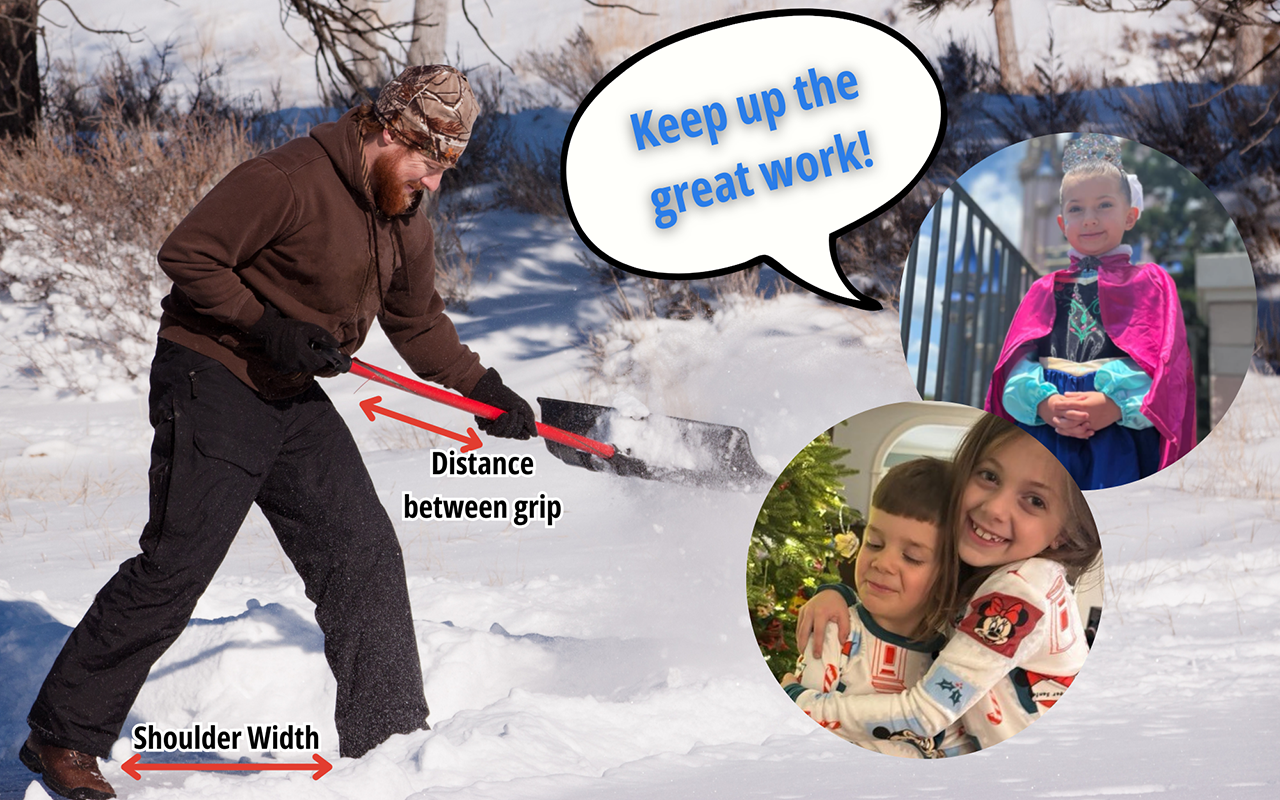
- Leverage: Hand placement on the shovel handle is very important! Don’t place hands close together. Distance between hands gives you more leverage & makes it easier to lift.
- Keep the shovel close to your body & scoop small amounts of snow, then walk to where you want to dump it. Holding a shovelful of snow with your arms outstretched puts too much weight on your spine.
- Good posture: Maintain the natural curve of your spine. Keep feet shoulder-width apart for balance, bend your knees & lift with your legs – not your back! Dump snow in front of you, don’t throw it over your shoulder! If you need to move snow to the side, move your feet – don’t twist!
- Take frequent breaks to stretch your back & extremities.
- If you have a history of low back pain, it’s important to perform press-ups/backbends before & after shoveling.
*Remember: early morning bending & twisting puts your lower back at greater risk for injury.
Free Workshop


It’s Your Choice
Patient Choice — You have a choice to pick whatever physical therapy provider you wish. It is imperative to do your research in this area to be able to make this important choice.
Direct Access — Most insurance companies will allow you to see a physical therapist first before seeing your doctor.
Why Choose PT First?
“Positive MRI result should not be an indication for surgery unless the history and physical examination were found to be consistent with the MRI result.” (Robert F. LaPrade, MD — Steadman Research Institute)
“There is poor correlation between a patient’s clinical presentation and the reported MRI findings.” (Richard Herzog, MD, FACR — Hospital for Special Surgery)
It is extremely rare that we refer out for X-rays or MRIs with direct access patients, as the MDT mechanical examination is safe, effective, and rules out any serious concerns.
DID YOU SPOT OUR MISSPELLED WORD?
Don’t forget to call in with the misspelled word in each newsletter and refer a friend or family member to be entered to win a gift card!
Congratulations to our winners this month!
Referral: William R. and Bradley B.
Misspelled Word: Marie O.
Let’s Get You Better ASAP!
Don’t let pain dictate your life. Take the first step towards reclaiming your mobility and well-being with our expert support. Start your journey to a healthier you today.