
Can Foot Pain Lead to Balance Problems? Understanding the Connection
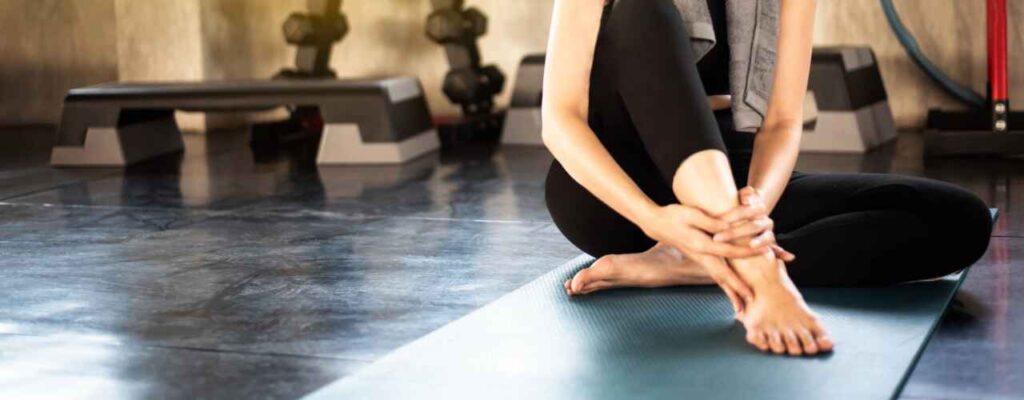
If you’ve ever felt unsteady on your feet or hesitant during daily movement, your balance system may be trying to compensate for something deeper. One often-overlooked contributor is discomfort in the feet. In fact, there’s a well-documented link between foot pain and balance issues, particularly when symptoms persist or affect how weight is distributed. Understanding how foot pain interferes with balance can help you take proactive steps toward better mobility, reduced fall risk, and improved confidence in daily activities—all through physical therapy.
How Foot Pain Disrupts Natural Balance
The feet play a central role in keeping us upright and stable. They act as sensory messengers, constantly sending information to the brain about surface changes, weight distribution, and body positioning. When pain disrupts this process—whether due to plantar fasciitis, arthritis, nerve irritation, or post-surgical discomfort—your body may adapt in ways that unintentionally throw off your balance, such as the following:
- Shifting weight away from the painful area
- Shortening your stride to avoid pressure
- Reducing ankle mobility or joint stiffness
- Holding muscles tense to brace for discomfort
While these changes may seem subtle, they can lead to uneven loading, increased muscle fatigue, and a greater risk of tripping or falling—especially in older adults or those already dealing with instability.
How Foot Pain and Balance Issues Are Interconnected
The connection between foot pain and balance issues often stems from compensatory movement patterns. When one part of the foot becomes sensitive or injured, the body will instinctively shift weight to reduce discomfort. Over time, this altered pattern can lead to:
- Reduced proprioception (body awareness in space)
- Imbalanced muscle activation in the legs and core
- Increased reliance on vision rather than natural foot sensation
- Decreased stability during turning, standing on uneven surfaces, or navigating stairs
Foot pain doesn’t just affect your step—it changes how your entire body moves and responds to environmental changes. This is why balance problems may appear even after the pain itself begins to fade, and why targeted rehabilitation is often necessary to restore natural movement.
Common Conditions That Link Foot Pain and Balance Issues
Several foot-related diagnoses are frequently associated with balance challenges, including:
Plantar Fasciitis
- Pain in the heel or arch may cause shortened gait and toe walking
Neuropathy
- Nerve damage reduces sensation in the foot, making balance harder to maintain
Arthritis
- Joint stiffness limits shock absorption and weight-shifting
Post-Surgical Pain
- Recovery from bunion removal or heel procedures often changes gait patterns
Tendonitis
- Pain from Achilles or posterior tibial tendonitis affects foot alignment and stability
In each of these cases, physical therapy can help not only reduce pain, but restore balance and confidence in movement.
How Physical Therapy Addresses Foot Pain and Balance Issues
At Maccio Physical Therapy, physical therapists take a comprehensive approach to care. This means we don’t just treat foot pain in isolation—we evaluate how it affects your entire body. Your plan may include:
1. Detailed Gait and Balance Assessment
We begin by analyzing how you walk, how your foot moves during the gait cycle, and how you respond to balance challenges. This helps identify compensations, weaknesses, or mobility limitations that contribute to your instability.
2. Manual Therapy and Pain Management
Techniques like soft tissue mobilization, joint glides, and stretching are used to reduce foot and ankle pain. Addressing discomfort directly makes it easier to walk more naturally without guarding or limping.
3. Strengthening and Stability Training
Weakness in the foot, ankle, or hip muscles can amplify balance problems. Your therapist may guide you through:
- Foot intrinsic strengthening exercises
- Single-leg balance drills
- Core and hip stabilization work
- Functional movement training (e.g., step-ups, turning, reaching)
These exercises are tailored to your current ability and progress as your control improves.
4. Proprioceptive and Sensory Retraining
When pain disrupts your body’s sense of position, retraining that feedback loop is critical. Techniques may include standing on unstable surfaces, walking with head turns, or using visual focus to reinforce body awareness.
5. Footwear and Orthotic Guidance
Improper shoes can worsen foot mechanics and reduce balance. We help evaluate your footwear and may recommend supportive insoles or orthotics if appropriate.
What to Watch for: Early Signs of Balance Struggles
If you’ve experienced foot pain for more than a few weeks, it’s important to notice signs that your balance may be affected. These may include:
- Hesitation when walking over uneven ground
- Needing handrails more often on stairs
- Avoiding long walks or standing for extended periods
- Feeling less confident with quick movements or direction changes
- Regularly shifting weight to one side during daily tasks
If any of these sound familiar, addressing the root cause through physical therapy can prevent further complications or risk of falls.
Regain Stability with Support from Maccio Physical Therapy
Foot discomfort may start small, but when left unaddressed, it can have a lasting impact on your ability to move confidently. If you’re experiencing foot pain and balance issues, don’t wait for symptoms to progress. At Maccio Physical Therapy, our physical therapy team is here to guide you with a personalized plan that restores comfort, improves control, and helps you feel steady on your feet again.
Reach out to Maccio Physical Therapy today to schedule your assessment. We’re ready to help you take the next step—literally—toward better balance and daily function.