
Balance Training for Athletes
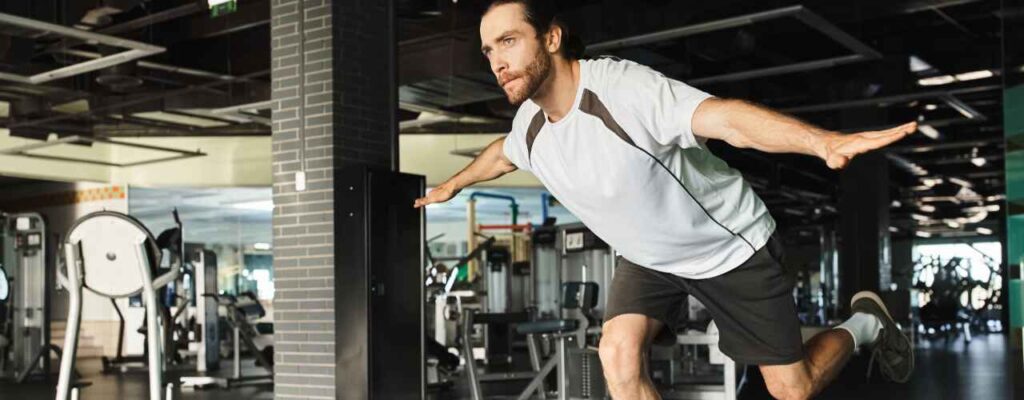
Many athletes recognize the importance of speed, strength, and endurance—but balance often gets overlooked. In reality, balance is a foundational skill that supports nearly every movement in sport, from landing safely after a jump to changing direction under pressure. Despite its role in performance and injury prevention, there are still several misconceptions about balance training for athletes. In this blog, we’ll break down common myths and provide evidence-based facts that clarify why balance training matters and how physical therapists at Maccio Physical Therapy can help athletes gain an edge.
Common Myths About Balance Training
Myth #1: Balance Training Is Only for Older Adults
Fact: Balance is essential for athletes of all ages—not just for fall prevention in older adults.
While balance training is often associated with injury prevention for seniors, it plays a critical role in athletic performance. Whether you’re sprinting, cutting, or jumping, your ability to control your center of gravity directly affects movement efficiency and joint protection. Athletes who include balance drills in their training often show better body control, quicker recovery from off-balance positions, and reduced risk of ankle or knee injuries.
At Maccio Physical Therapy, our therapists tailor balance training for athletes based on the specific demands of each sport and individual movement patterns.
Myth #2: Good Balance Is Something You’re Born With
Fact: Balance is a trainable skill that can be improved through consistent practice.
While some individuals may naturally have a better balance due to early physical activity or genetics, balance can be developed and refined like any other athletic skill. Targeted drills can enhance proprioception (body awareness), core stability, and neuromuscular control—key components of balance that support athletic performance.
Physical therapists at Maccio Physical Therapy use progressive exercises, such as single-leg stability drills or reactive balance challenges, to help athletes improve coordination, speed, and recovery under dynamic conditions.
Myth #3: Balance Training Doesn’t Help With Strength or Power
Fact: Balance training enhances strength, power, and movement control.
Athletes often separate balance work from strength or power training, assuming it doesn’t transfer. In fact, stability is a critical part of force production. For example, jumping higher or sprinting faster requires strong muscle contractions supported by joint control. Without stability, force leaks through compensatory movement, reducing efficiency.
Balance training complements strength work by teaching the body how to activate the right muscles in the right sequence. This improves functional movement, reduces injury risk, and helps athletes maintain form under fatigue.
Myth #4: Balance Training Means Standing on a Bosu Ball
Fact: Effective balance training involves sport-specific and progressive challenges.
Balance training doesn’t have to rely on unstable surfaces like wobble boards or balance balls. In fact, many athletes benefit more from functional, ground-based movements that replicate the demands of their sport. Drills such as single-leg landings, lateral hops, and reaction-based challenges build practical stability and help athletes maintain control under real-game conditions.
At Maccio Physical Therapy, our physical therapists develop balance training for athletes that mimics sport-specific demands—like pivoting in basketball or decelerating in soccer—so athletes gain carryover to actual performance.
Myth #5: Balance Training Is Only Necessary After an Injury
Fact: Balance training is both preventive and rehabilitative.
While balance work is essential during recovery from injuries like ankle sprains or ACL tears, it’s also a powerful tool for reducing the risk of injury in the first place. Athletes who incorporate regular balance exercises into their routine often demonstrate improved joint stability, better landing mechanics, and quicker reflexes.
By focusing on joint control and proprioception before injuries happen, athletes can strengthen movement patterns that protect the body during high-intensity actions. Our team at Maccio Physical Therapy frequently includes proactive balance training in off-season programs and return-to-play protocols.
Why Balance Training for Athletes Should Be Part of Every Program
The benefits of balance training for athletes extend far beyond basic coordination. Proper balance work helps:
- Improve core and joint stability during high-speed movement
- Sharpen reaction times under unpredictable conditions
- Reduce injury risk by improving control and awareness
- Enhance agility, cutting, and directional changes
- Support faster recovery and safer return to play after injury
When balance training is sport-specific, progressively loaded, and integrated with strength and mobility work, it becomes a valuable part of every athlete’s performance toolbox.
Trust Maccio Physical Therapy to Support Athletic Development the Right Way
At Maccio Physical Therapy, our physical therapists understand that peak performance depends on more than raw power. We help athletes build foundational skills—including balance—that support long-term success and injury prevention. Whether you’re a youth athlete working on mechanics or a seasoned competitor returning from injury, our team provides personalized, evidence-based care to support your goals.
Ready to take your training to the next level with integrated balance and movement programming? Contact Maccio Physical Therapy today to get started with a customized plan designed to keep you moving with power, control, and confidence!